
Legal Suite Development in Saskatoon
What Makes a Basement Suite "Legal"?
If you’re planning to rent out your basement, “legal” isn’t just a label — it means the space meets specific safety and building requirements.
That includes things like:
- proper exits
- fire separation
- ventilation
- electrical and plumbing done to code
It’s not just paperwork. It’s about whether the space is actually safe for someone to live in.
Why Legal Matters More Than Most People Think
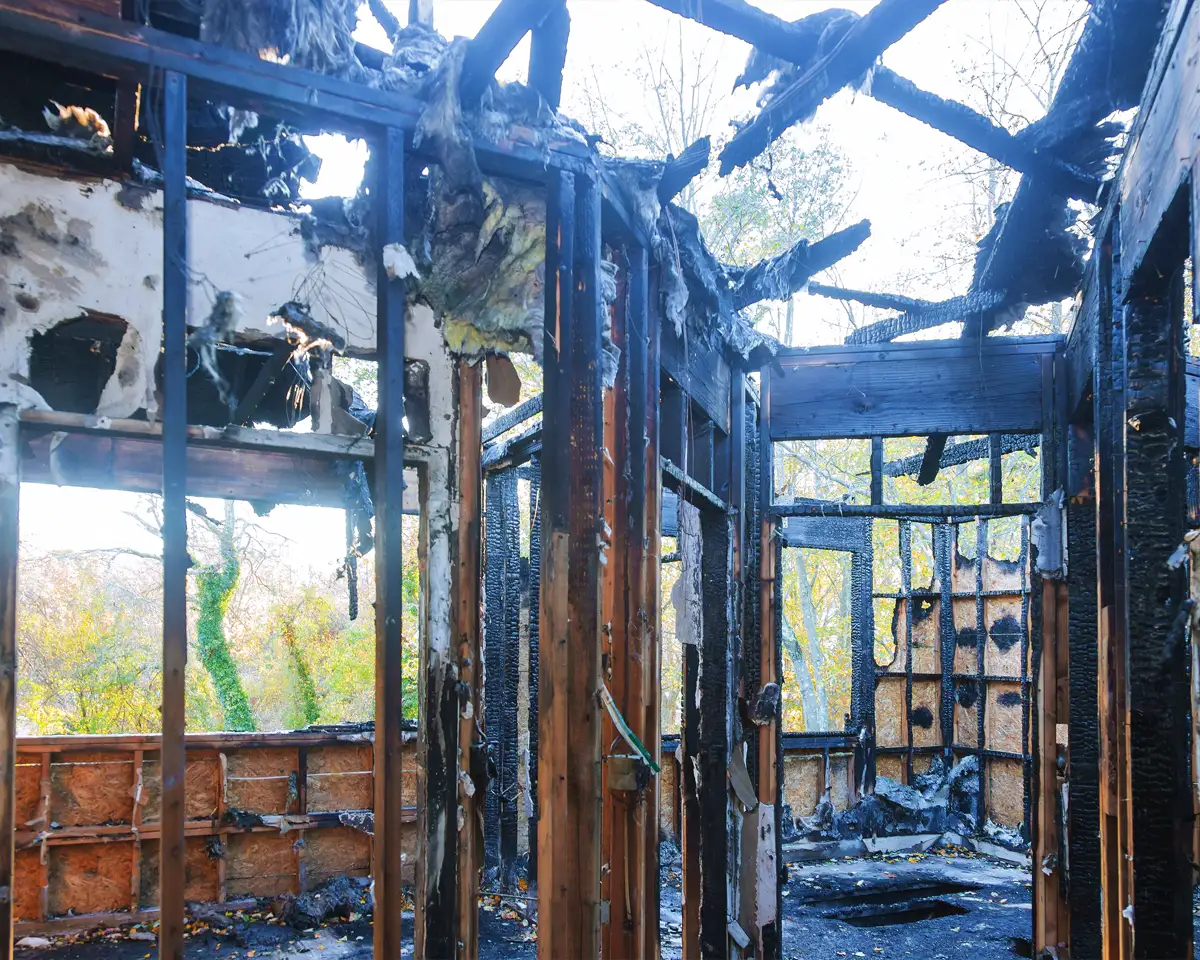
A lot of basement suites in Saskatoon aren’t fully compliant. Depending on the source, it’s been estimated that a large portion — even up to half — don’t meet current standards.
That creates risk.
If a suite isn’t legal, you’re dealing with things like:
- higher fire risk
- limited escape options in an emergency
- electrical or plumbing issues that weren’t done properly
- insurance claims that could be reduced or denied
If something goes wrong, it doesn’t take much for it to become a serious situation.
On the flip side, legal suites are easier to rent, attract better tenants, and give you more flexibility long term.
The Reality of Building a Legal Suite
This is where most people underestimate what’s involved. There are multiple areas that need to meet code, and they all work together. Entrance, windows, ceiling height, fire separation, ventilation, plumbing, electrical, and permits all need to be planned properly from the start.
Fire Separation
There needs to be proper separation between the suite and the main home. This is what slows the spread of fire and gives people time to get out.
Egress Windows
Bedrooms must have windows large enough for someone to escape through — and for emergency crews to get in. This is one area people try to get around, and it’s not worth it.
Smoke and CO Detectors
To notify everyone in the building, smoke and carbon monoxide sensors need to be interconnected. If one goes off, they all go off.
Heating and Airflow
The suite needs proper heat and ventilation. In many cases, that means separate controls or a system that’s been properly set up to handle both spaces.
Electrical and Plumbing
Everything has to be done to code. Older homes often need upgrades here, especially when adding a kitchen, bathroom, laundry, separate heating, or additional electrical load.
Ceiling Height and Layout
There are minimum height requirements, and the space needs to function as a comfortable, practical, separate living area with a smart, code-conscious layout.
Things That Catch People Off Guard
These things can stop development in its tracks and make the process more stressful than it needs to be. Behind-the-scenes requirements can affect safety, permits, layout, cost, and whether the space can legally function as a separate dwelling.
These aren’t small details — they can change the scope of the project pretty quickly.
HVAC Requirements
Separate heating or properly designed systems are more involved than people expect.
Window Size
A window might look fine, but not meet egress requirements. This often leads to needing larger window openings.
Zoning and Parking
Zoning, lot layout, property access, and off-street parking requirements can all affect what is possible. In some cases, parking or site limitations may change the design, scope, or feasibility of the project.
Property Zoning
Planning & Design
Permits & Inspections
Code Compliance
How We Handle Legal Suite Development
We take care of the process from start to finish.
That includes:
- planning the suite properly from the beginning
- handling permits and inspections
- making sure each stage meets code
We don’t treat legality as something to deal with at the end. It’s built into the project from day one.
Saskatoon Legal Basement Suite Requirements
Legal basement suites in Saskatoon need to meet specific safety, building code, permit, and property requirements. Here are a few key items that commonly affect whether a suite is possible.
These are only some of the common requirements. For a full breakdown, review the City of Saskatoon basement suite requirements or talk to us about your specific basement.
| Requirement | Why It Matters |
|---|---|
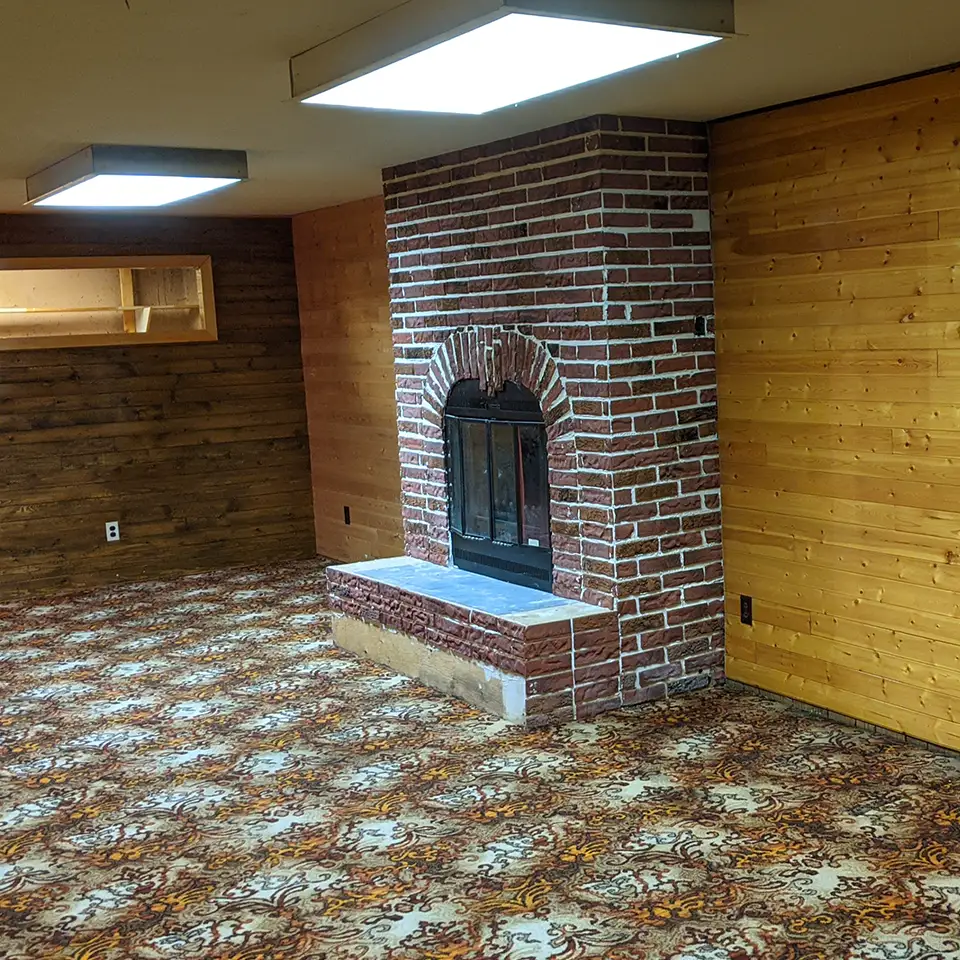
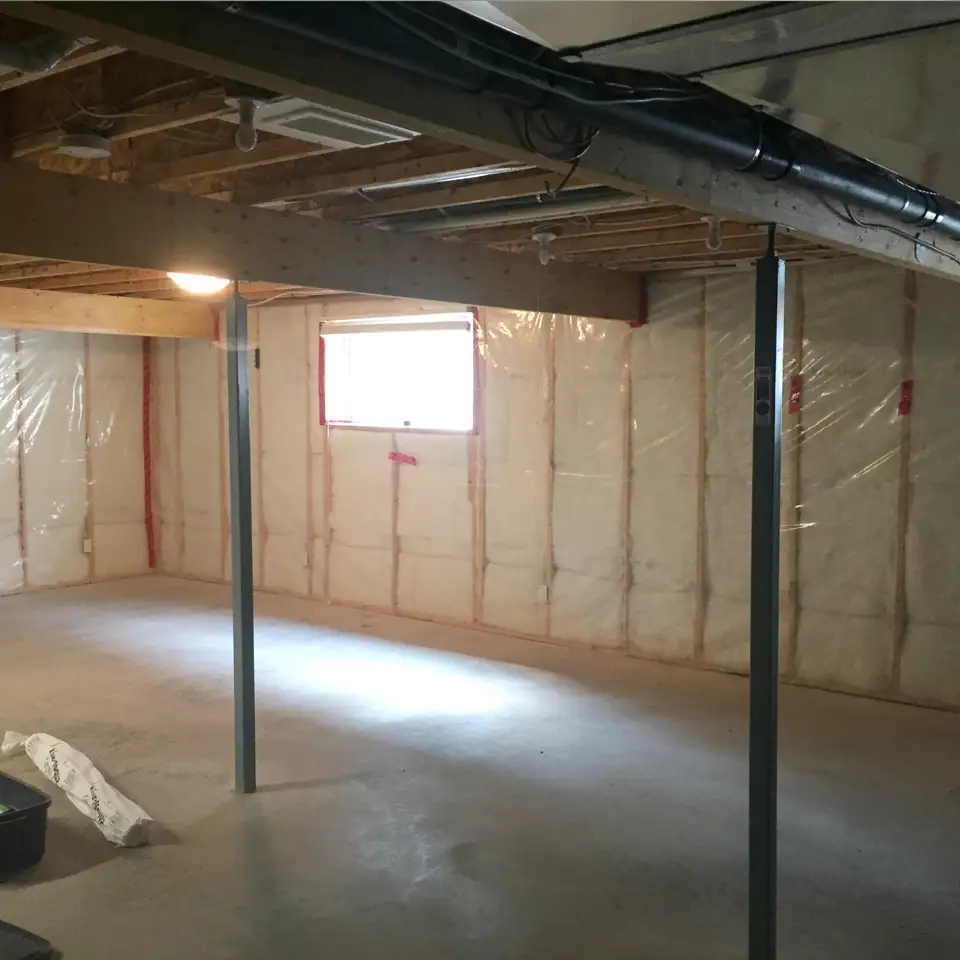
| Ceiling Height | Older basements may not qualify without careful review. |
| Egress Windows | Bedroom windows must meet emergency exit requirements. |
| Fire & Smoke Separation | Suites need proper separation between living spaces. |
| Heating & Ventilation | Systems must be planned safely and properly. |
| Permits & Inspections | Approvals need to be handled before and during construction. |
| Zoning, Parking & Access | Property layout can affect whether a suite is possible. |

What to Expect From a Legal Suite Project
Initial Conversation
We start with a quick call or email to understand your goals.
Property Assessment
We will plan for a site tour to review your home for legal suite potential.
Code-Conscious Project Plan
From there, we create a practical plan around budget, layout, permits, and code requirements.
Build & Completion
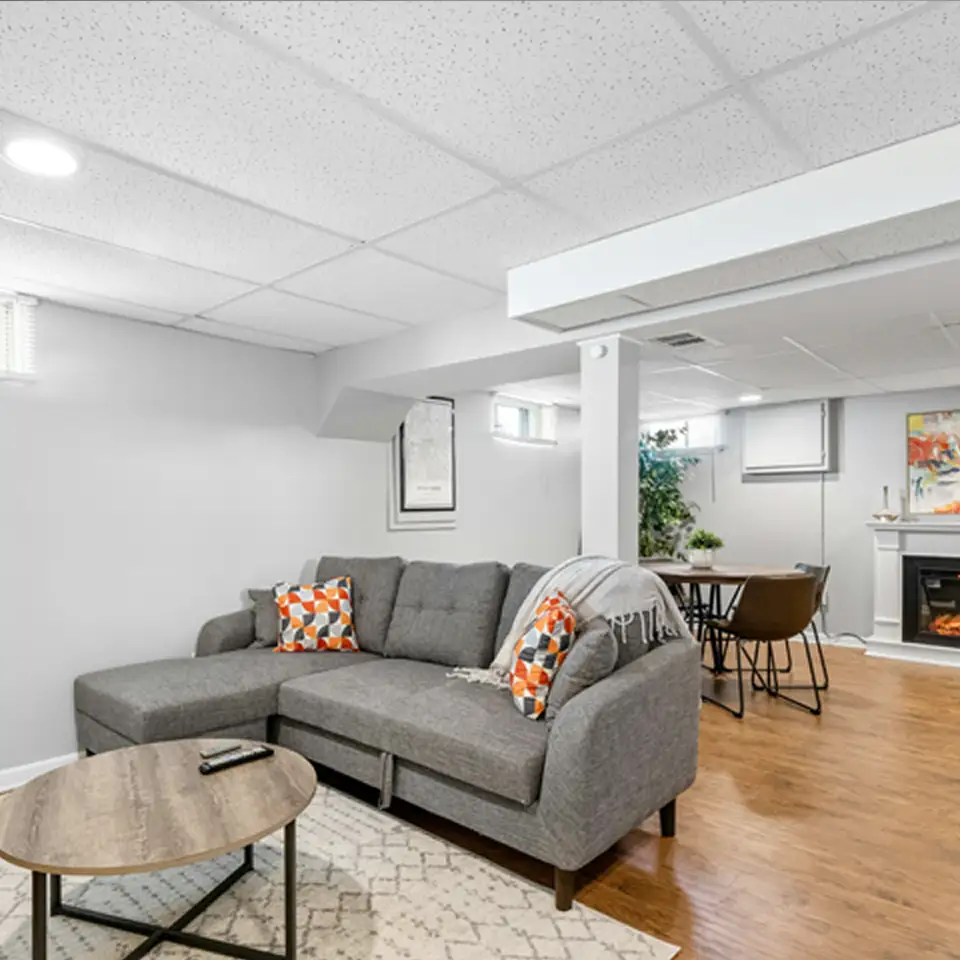
Once approved, we manage the legal suite development through construction, inspections, and completion.
Building It Right From The Start
Trying to “make it legal later” usually costs more and creates more headaches.
It’s easier — and safer — to build it properly from the beginning.
If your goal is to rent the space out, doing it right upfront avoids problems down the road.
Start Right.
Build Right.
Let’s Talk About Your Basement
We’ll take a look at your space and tell you what’s involved to make it a legal suite — what works, what doesn’t, and what it’s going to take.